
Why Pocket Carry Matters
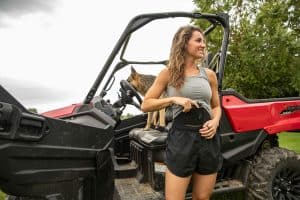
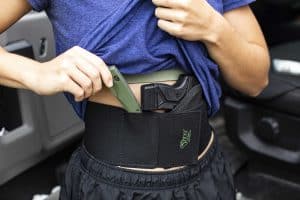
Pocket carry has carved out a unique space in the world of concealed carry due to its simplicity, versatility, and accessibility. For many gun owners, it represents a practical solution for everyday carry, particularly when other methods might be cumbersome or less discreet. By leveraging a dedicated pocket holster, pocket carry allows for secure firearm positioning, quick access, and ultimate concealment without requiring specialized clothing or equipment.
Its appeal lies in its adaptability. Whether you’re running errands, walking in your neighborhood, or simply dressing casually, pocket carry ensures you’re always prepared without drawing attention. This balance of convenience, concealment, and readiness makes pocket carry an excellent option in any concealed carrier’s repertoire.
The Ultimate Grab-and-Go Carry Method
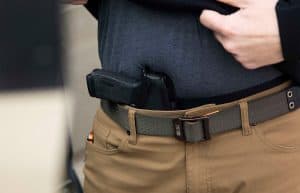
One of the standout benefits of pocket carry is its unparalleled convenience. Unlike inside-the-waistband (IWB) or outside-the-waistband (OWB) methods, pocket carry eliminates the need for specialized belts, clips, or holster attachments. This makes it an ideal choice for those who prefer minimalist setups or don’t want to alter their wardrobe.
With pocket carry, you can:
- Carry Simply: Slip your firearm into a pocket holster and slide it into your pocket—it’s as simple as that.
- Adapt Easily: Transition seamlessly between casual and semi-formal attire without worrying about concealment issues.
- Travel Light: For quick errands or short trips, pocket carry provides a low-maintenance primary carry solution that doesn’t require additional accessories.
By reducing the barriers to carrying daily, pocket carry allows you to maintain some self-defense capability even in some difficult-to-carry situations.
Speed of Draw
Pocket carry offers a unique advantage when it comes to draw speed—if you’re aware enough to be prepared. In situations where you sense a potential threat, the unobtrusive and natural-looking action of placing your hand in your pocket allows you to establish a firm grip on your firearm before the encounter begins (or escalates). Being able to naturally get a grip on your gun before you need to draw can make pocket carry one of the fastest draw methods available.
To optimize your pocket draw:
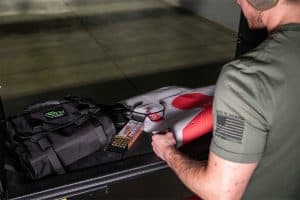
- Practice Consistently: Regular dry-fire practice with your pocket holster and firearm ensures smooth and efficient movement.
- Keep Your Pocket Clear: A dedicated pocket free of keys, coins, or other items prevents obstruction during the draw.
- Train With Both Your Dominant and Non-dominant Hands: When using pocket carry as your primary carry, carry in a dominant-side pocket for quicker access and smoother motion. When pocket carrying your backup gun, carry in a non-dominant side pocket.
Pocket Carry as a Second Line of Defense
Pocket carry excels as a backup carry method, offering an extra layer of protection in self-defense scenarios. Many experienced carriers use pocket carry to complement their primary firearm, ensuring they have access to a secondary weapon if their main carry gun becomes inaccessible or malfunctions.
Pocket carry is particularly effective in:
- Close-Quarters Combat: As a “get-off-me” gun, a pocketed firearm can be quickly deployed when on your back.
- Unexpected Threats: In certain positions, a backup gun in your pocket is even more accessible than a primary firearm.
- Critical Redundancy: Having a backup weapon provides peace of mind, knowing you’re never without a viable self-defense tool.
A well-chosen pocket firearm, paired with a reliable holster, can save your life in situations where your primary gun cannot be effectively deployed.
Seated Pocket Carry Challenges and Solutions
While pocket carry offers numerous advantages, it can present challenges when sitting—particularly in vehicles or tight spaces. Access to pants pockets can become restricted while seated, making it difficult or impossible to access the firearm quickly. Additionally, seatbelts may further restrict movement, complicating the draw.
To address these limitations:
- Practice Alternative Techniques: Rocking your body to the opposite side of the firearm can reopen access into your pocket to create space for drawing. Experiment with motions to find what works best for your setup.
- Consider Pocket Placement: Front pants pockets are harder to access when seated. Opting for coat pockets may offer better accessibility in these scenarios, although you should be conscious of a seatbelt restricting your access while driving. Cargo pockets eliminate the benefit of having a natural, discreet grip on the gun when upright, but are much easier to draw from when seated.
By understanding these challenges and practicing workarounds, pocket carry remains a viable option even in seated positions. Regular training and an awareness of your carry environment will ensure you’re prepared to overcome these obstacles effectively.
The Benefits of Pocket Carry in Cold Weather
Winter weather often means more and heavier clothing, which may make your typical primary carry more difficult to access. However, pocket carry excels in cold climates, particularly when using coat pockets. Coat pockets are usually large and easily accessible, which means they can serve an extremely practical role for pocket carry in cooler weather. The colder the weather is, the more sense it makes to carry in your coat pocket, as the layers between you and your primary carry position increase as the temperature falls.
Key Advantages:
- Improved Accessibility: Coat pockets allow for easier access to your firearm compared to waistband carry, especially when wearing winter gear like long, zipped up coats.
- Enhanced Concealment: Bulky winter clothing naturally hides the outline of a pocketed firearm, eliminating concerns about printing.
- Natural Readiness: What’s more natural than keeping your hands in your coat pockets for warmth on a cold night? Keeping your hand casually in your coat pocket is both inconspicuous and an effective way to grip your gun without anyone noticing.
To maximize these benefits, practice drawing from your coat pocket and ensure the pocket holster remains properly positioned for a consistent draw.
Pocket Carry Holsters
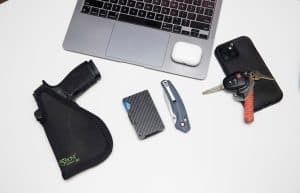
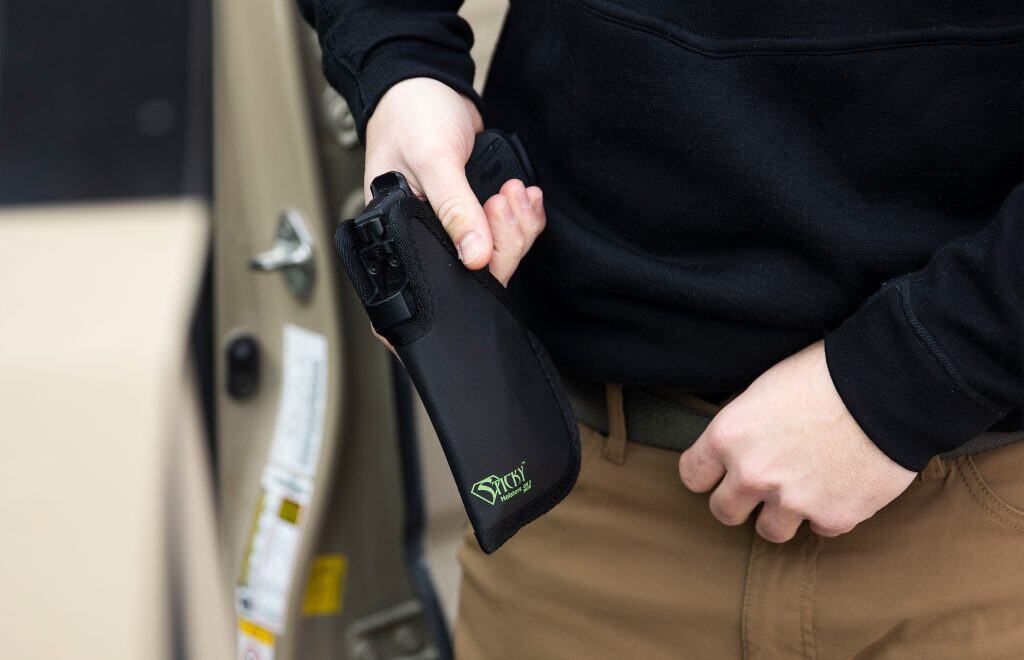
A quality pocket holster is essential for ensuring safe and secure pocket carry. Without one, carrying a gun in your pocket presents risks, including accidental discharges and potential difficulty drawing the gun when you need it. A good holster addresses these concerns by providing structure and protection.
How Pocket Holsters Enhance Safety and Improve Draw Speed:
- Trigger Guard Protection: A pocket holster fully covers the trigger, preventing unintentional discharges caused by external objects or mishandling.
- Secure Positioning: Holsters keep the firearm oriented correctly and consistently in your pocket, ensuring a consistent draw and reducing dangerous fumbling during emergencies.
- Reduced Printing: A holster obscures the outline of the gun, making it less noticeable to others.
Always withdraw your holster and then insert your firearm into the holster, then put the holstered firearm into your pocket. Always holster your firearm first before placing it in your pocket to prevent accidental engagement of the trigger. It isn’t likely, but it has happened, and shooting yourself down your leg is an unpleasant enough experience to warrant the slight inconvenience of pulling your holster out before reholstering your gun.
Dressing for Pocket Carry Success
As with all concealed carry, the speed and viability of pocket carry is heavily determined by your clothing choices. Selecting pocket-carry-friendly clothing ensures that your firearm is properly concealed, accessible, and secure.
Clothing Tips for Pocket Carry:
- Pants with Deep Pockets: Choose trousers or jeans with large, sturdy pockets that can accommodate both your firearm and holster without unacceptable printing–what ’unacceptable printing’ is depends on your precise circumstances. Sometimes, you may be able to have a slight amount of printing without compromising the ‘concealed’ part of concealed carry. Other times, you may need deep concealment.
- Cargo Pants: Not recommended. These offer additional pocket space, but carrying in lower pockets can make your draw awkward, and removes one of the primary benefits of pocket carry: being able to have your hand on your gun unobtrusively before it’s needed.
- Jackets and Coats: Cold-weather gear with reinforced or zippered pockets makes pocket carry more secure and accessible during winter.
- Avoid Tight Clothing: As with every type of concealed, on-body carry, skintight pants, tops, or jackets can make drawing or concealment somewhere between difficult and impossible.
When shopping for pocket-carry-friendly clothing, prioritize functionality and comfort. Test your firearm and holster combination with different outfits to determine what works best for you and your gun.
Situational Awareness: Staying Prepared
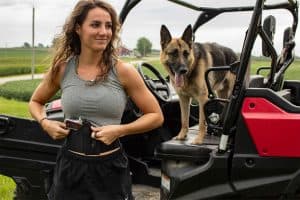
Pocket carry offers a unique advantage in maintaining a low profile while staying ready for potential threats. Unlike other carry methods, pocket carry allows you to discreetly position your hand on your firearm without raising suspicion. This readiness can be critical in tense or uncertain situations that may go south at any moment.
Resting your hand in your pocket is natural, non-aggressive body language that blends seamlessly into most situations, yet it enables you to draw very quickly if necessary. This method allows you to respond to potential threats without alerting others that you’re carrying. In high-alert scenarios, such as spotting someone walking toward you in a poorly lit area, positioning your hand on your firearm while keeping it concealed in your pocket minimizes reaction time about as low as it can possibly be. By pairing situational awareness with pocket carry, you can discreetly prepare for potential threats while maintaining a calm, inconspicuous demeanor.
Keeping Your Holster Where It Belongs
One common issue with pocket carry is ensuring the holster stays securely in your pocket during a draw. A holster that comes out with the gun will at best make you feel like an idiot at the range, and make you feel much worse in a true self-defense scenario. Proper holster retention is a cornerstone of successful pocket carry.
Tips for Holster Retention:
- Choose the Right Material: Sticky holsters are a favorite of experts and novices alike to help anchor the holster in your pocket during a draw.
- Practice Your Draw: Frequent dry-fire practice will keep you familiar with the mechanics of drawing, firing, and reholstering your gun.
- Test Your Clothing: Certain fabrics or pocket designs may interfere with retention. Make adjustments as needed.
- Check Your Holster Fit: A well-fitted holster should grip the firearm securely but allow for smooth, controlled drawing.
Proper preparation and consistent practice will help you achieve a quick, clean draw while keeping your holster firmly in place.
Drawbacks of Pocket Carry: Knowing the Limits
While pocket carry has many advantages, it’s not without its challenges. Understanding its limitations ensures you can mitigate potential drawbacks and use this method effectively.
Challenges of Pocket Carry:
- Limited Firearm Capacity: Pocket carry requires smaller guns, meaning lower ammunition capacity and higher recoil than larger models firing the same ammunition.
- Slower Access in Certain Positions: Drawing from a pocket can be awkward or impossible when seated.
- Pocket Clutter: The pocket used for carry must be kept clear of items like keys, coins, and other common pocket debris, which can obstruct your draw or interfere with the gun’s operation.
- Reduced Stopping Power: Compact firearms often use ammunition with less stopping power, which could impact their effectiveness in some defensive scenarios.
By acknowledging these limitations, you can determine whether pocket carry fits your specific needs and address potential issues with proper preparation.
Using Pocket Carry with Confidence
Pocket carry is a practical, versatile option for concealed carry enthusiasts, offering unique benefits like discretion, convenience, and adaptability. By investing in the right holster, practicing regularly, and staying mindful of its limitations, you can make pocket carry a helpful part of your self-defense strategy.
Key Takeaways:
- Pocket carry provides discreet readiness, making it an excellent choice for casual or backup carry.
- The right holster is essential for safety, comfort, and retention.
- Regular practice and situational awareness are important to make the most of pocket carry’s advantages.
- While it has limitations, such as reduced capacity and slower access in some scenarios, these can be mitigated with thoughtful preparation.
When used correctly, pocket carry can become a powerful tool in your concealed carry arsenal, allowing you to stay protected while maintaining comfort and ease of use.
Stay Ready, Stay Safe with Pocket Carry
Pocket carry supports covert readiness by allowing you to discreetly prepare for potential threats while minimizing reaction time. To ensure safe and effective pocket carry, choose a Sticky Holster. Its secure fit and non-slip material make it the perfect companion for your pocket carry needs. Get yours today!