


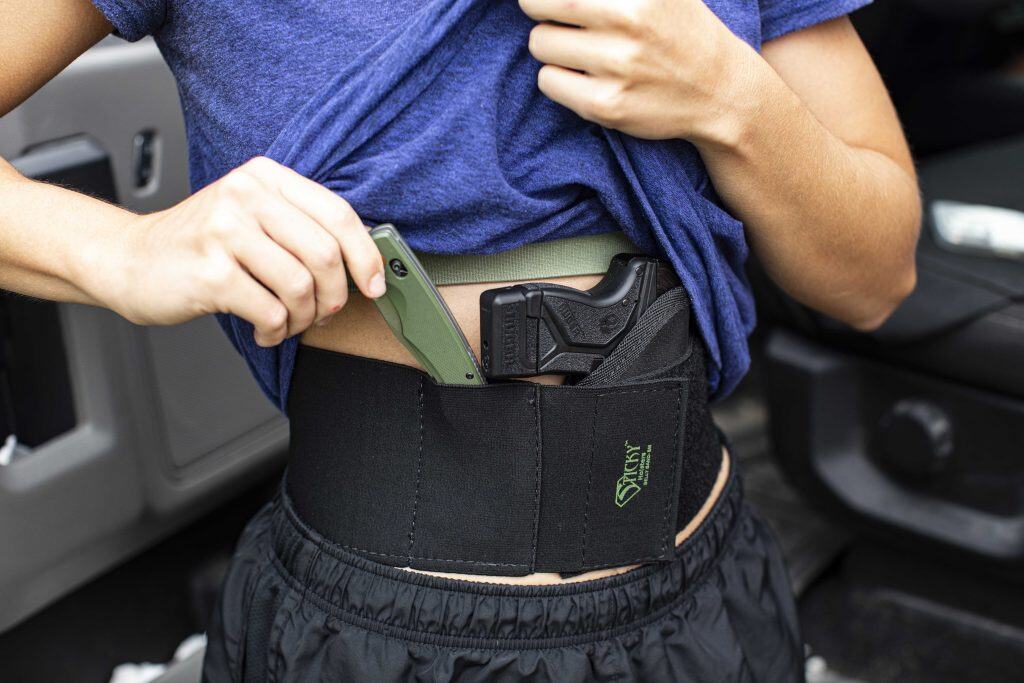
A holster you won’t wear does nothing for your personal protection. The difference between carrying consistently and leaving your firearm at home often comes down to comfort.
Consistent carry is essential for those authorized to carry concealed firearms. Your holster presses against your side for 12 to 16 hours at a time. That adds up fast. The right choice depends on your body type, what you wear and which firearm you carry.
Material Matters for All-Day Comfort
What touches your skin determines how your holster feels after hour eight of your day. Leather breaks in nicely but gets hot and sweaty in summer. It also needs regular maintenance to keep its shape.
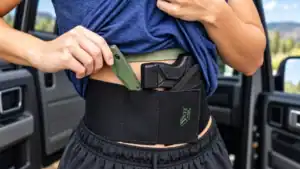
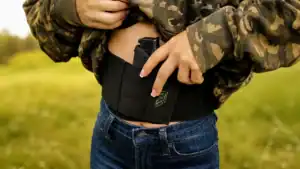
Modern synthetics like neoprene breathe better and wick moisture away from your body. Sticky Holsters uses lightweight synthetic material that molds to your shape while keeping your firearm secure without clips or straps. You avoid the pressure points that come with rigid materials.
Kydex holds its form and protects your gun well. But it can dig into your ribs when you sit for long stretches or bend over. Some companies make hybrid versions that pair a hard shell with soft backing material.
Consider Your Carry Position
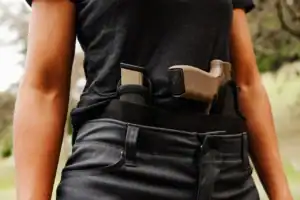
Where you put your holster affects comfort more than almost anything else. Inside-the-waistband carry conceals better but makes sitting down trickier if you pick the wrong holster.
Appendix carry at the front of your waistband works for many people. It can feel awkward in the car or at your desk, though. A wedge or wing on the holster pushes the grip closer to your body and helps.
Carrying at the small of your back limits how you can move and may hurt your spine over time. Most people with experience avoid this spot for daily carry.
Ankle holsters suit backup guns but rarely work as your main carry method for a full workday.
Retention Without Bulk
Your holster needs to hold your gun firmly without adding bulk under your clothes. Thumb breaks and other active retention devices add security but slow your draw. They also create more material pressing against you.
Passive retention through friction works fine for concealed carry. It keeps your profile slim. Turn your holster upside down as a test. Your firearm shouldn’t fall out.
Body Type and Clothing Compatibility
Your build matters when picking a holster style. Slimmer frames often handle appendix carry better. More weight around the middle usually means strong-side hip carry at 3 or 4 o’clock works better.
Think about what you wear most days. Baggy casual clothes hide bigger holsters easily. Business clothes that fit closer to your body need slimmer options. If you tuck your shirt in regularly, get a tuckable holster or consider pocket carry with a smaller gun.
Seasons change your needs too. Winter layers hide what summer shirts reveal. Many serious carriers own several holsters for different times of year and dress codes.
Weight Distribution
Your gun gets heavier as the day wears on. A steel-framed full-size pistol weighs double what a polymer compact does. That weight hangs on your belt and waistband constantly.
A good gun belt distributes the load better than your regular leather belt. It stops sagging and keeps your holster where you set it.
Add a comfort holster pad if you carry all day. These pads cushion the space between your body and holster to reduce fatigue and skin irritation.
Break-In Period and Adjustments
New holsters need time. Wear yours for a week before you decide it won’t work. Your body adjusts and some materials soften up.
Most holsters let you change the cant (angle) and how high they ride. Minor tweaks to these settings make a big difference in comfort. Try different positions before you lock in your setup.
Ready to Find Your Perfect Holster?
Sticky Holsters makes comfortable concealed carry solutions for daily wear. Our holsters work with your body instead of fighting it. You get reliable retention without uncomfortable hardware. Upgrade your setup and buy gun holsters online in our full collection.
Frequently Asked Questions
What makes a holster comfortable for all-day carry?
The right material, proper fit, good positioning and balanced weight all contribute to comfort. After the first few minutes, you should barely notice your holster. Look for designs that avoid creating pressure points, match your body shape and let you move naturally.
How long should I try a new holster before giving up on it?
Wear it for five to seven days straight. Your body needs time to adapt to carrying in a new spot. You also need time to dial in the best placement and settings. Make small changes during this period instead of overhauling everything daily.
Do I need different holsters for different outfits?
Many people who carry regularly keep several holsters on hand. What works under a winter jacket shows through a T-shirt. Having options for different clothes and weather improves your odds of carrying consistently and comfortably.
Can a comfortable holster still provide adequate retention?
Yes. Modern designs hold your firearm securely through material friction and tight fit. You don’t need bulky retention devices. Your holster should keep your gun in place during normal activity but still let you draw smoothly when necessary.
Should comfort or concealment be the priority?
Both count, but don’t sacrifice comfort to the point where you stop carrying. A holster that’s slightly less concealed but comfortable enough to wear beats a perfectly hidden holster sitting in your nightstand. Balance matters more than perfection for your daily routine.