
Late Season Hunting Essentials
The Challenges and Rewards of Late-Season Hunts
Late-season hunting is both a test of skill and endurance. The colder temperatures, limited daylight, and often unpredictable weather present unique challenges that require meticulous preparation. However, these conditions also come with rewards—fewer hunters in the field, heightened wildlife activity due to the animals’ need to feed, and the pristine beauty of late-season landscapes. To succeed, you must balance the physical demands of late-season conditions with the mental clarity required for tracking, stalking, and making critical decisions in the moment.
Why the Right Gear Makes All the Difference
In late-season hunting, the stakes are higher. Harsh conditions mean that inadequate or poorly chosen gear can compromise your safety and success. The right gear not only keeps you warm and comfortable but also ensures you remain mobile, alert, and ready for action. From proper layering systems to versatile tools like modular packs and holsters, well-chosen equipment can help you stay organized, reduce fatigue, and focus on what matters—your hunt.
Key Gear Principles: Preparation and Modularity
Adapting Your Gear for Different Conditions and Game
Every hunt is unique, requiring you to adapt your gear to the specific terrain, weather, and target species. For late-season hunts, it’s critical to pack for worst-case scenarios: sudden temperature drops, heavy snowfall, or high winds. Consider game-specific needs, such as carrying heavier-duty game bags for larger animals like elk versus lighter bags for whitetail deer. Always prepare for the unexpected with a mix of versatile essentials and specialized tools.
Organizing with Modular Kits for Efficiency
Efficient organization is a game-changer in late-season hunting. Divide your gear into modular kits, such as a kill kit, medical kit, and hydration setup, using stash pockets or small bags. This system allows you to easily swap kits between different packs as needed, adapt to last-minute changes, and access critical items quickly.
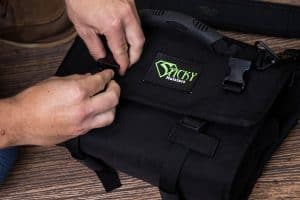
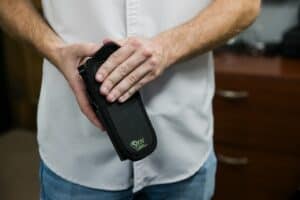
The Sticky Holsters Roll Out Range Bag is the perfect companion for modular organization. Featuring three internal pouches of varying sizes, it allows you to separate and store essential gear like your kill kit, tools, or medical supplies in designated compartments. These internal pouches can also be purchased separately, enabling you to further customize your setup based on your needs. Whether you’re processing game in cold, low-light conditions or setting up for a long day in the field, having a modular bag keeps your most critical items neatly organized and within reach.
The Roll Out Range Bag also offers a customizable exterior, letting you add your choice of patches to personalize the bag while keeping your system streamlined. Modular organization with tools like the Range Bag saves time, reduces stress, and keeps your focus where it should be—on the hunt.
Clothing and Layering for Cold Weather Hunts
Essential Layers to Stay Warm and Dry
Proper layering is the foundation of staying comfortable and effective during late-season hunts. A three-layer system typically works best:
- Base Layer: Choose moisture-wicking, quick-drying fabrics like merino wool or synthetic blends to keep sweat off your skin.
- Insulating Layer: Opt for down or synthetic-filled jackets and vests to trap heat without adding bulk or weight.
- Outer Shell: Invest in a waterproof, windproof shell to protect against snow, rain, and biting winds.
By combining these layers, you can regulate your body temperature throughout the day, whether you’re hiking uphill or sitting in a tree stand for hours.
Tips for Balancing Comfort and Mobility
Late-season hunting requires a balance between staying warm and maintaining mobility. Look for clothing that allows a full range of motion while keeping bulk to a minimum. Additionally, focus on lightweight insulation to avoid overheating during high-energy activities like climbing or tracking game. Finally, prioritize quiet fabrics to minimize noise as you move through the field.
Footwear That Supports Every Step
Features to Look for in Late-Season Boots
Choosing the right boots is non-negotiable for late-season hunts. Insulated boots with at least 400-800 grams of insulation (or more for extremely cold conditions) are essential for keeping your feet warm during long sits or low-activity periods. Look for waterproof materials and moisture-wicking linings to keep your feet dry, even in snowy or wet environments. Aggressive tread patterns and reinforced soles provide the traction and support needed for steep or uneven terrain.
Must-Have Accessories for Extra Protection
To further protect your feet, consider adding:
- Gaiters: These keep snow, mud, and debris out of your boots while adding an extra layer of warmth and precipitation resistance.
- High-Quality Socks: Choose merino wool socks for insulation and moisture management. Carry an extra pair in case your first pair gets wet.
- Foot Warmers: Disposable or rechargeable foot warmers can provide extra heat for long sits in cold weather.
Proper footwear and accessories ensure you stay comfortable, mobile, and focused on your target, even in the toughest late-season conditions.
Building Your Hunting Pack: Must-Have Items
Kill Kit: Game Bags, Tools, and Accessories
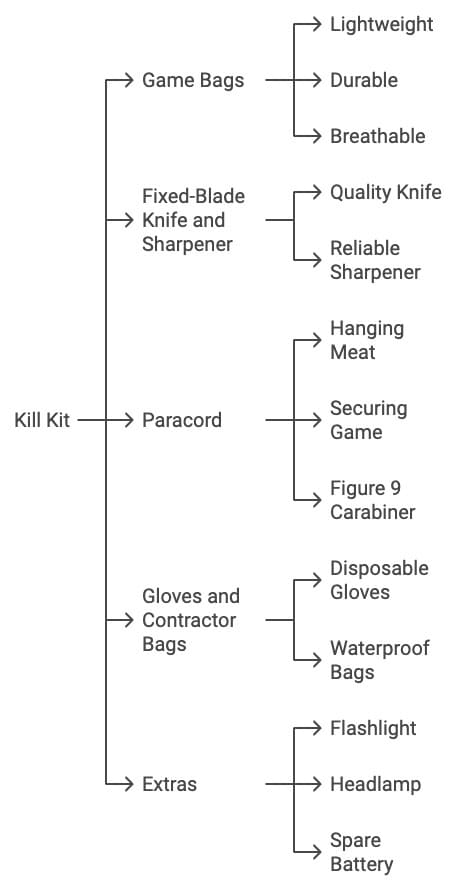
Your kill kit is an essential part of any hunting pack, designed to handle the processing and transport of game in the field. Key components include:
- Game Bags: Opt for lightweight, durable, and breathable bags to keep your meat clean and protected.
- Fixed-Blade Knife and Sharpener: A quality fixed-blade knife with a reliable sharpener ensures you can field dress game quickly and efficiently.
- Paracord: Carry cord for hanging meat or securing animals on steep terrain. Add a Figure 9 carabiner for easy tensioning and quick adjustments.
- Gloves and Contractor Bags: Disposable gloves keep things clean during processing, while a contractor bag can serve as a waterproof layer between your meat and the ground or as an emergency pack liner.
- Extras: Include a reliable, waterproof flashlight and headlamp for nighttime processing and a spare battery for your rangefinder to avoid unexpected failures.
By organizing these items in a dedicated pouch or stash pocket, you can quickly access everything you need while keeping your pack clean and organized.
Medical and Fix-It Kit: Stay Prepared for Emergencies
A well-stocked medical and repair kit can be a lifesaver during backcountry hunts. Essential items include:
- Medical Supplies: Pack pain relievers, antihistamines, bandages, gauze, and QuickClot gauze for emergency wound care.
- Fire-Starting Tools: Include a lighter and waterproof matches, just in case.
- Tape and Adhesives: Carry duct tape, gear repair tape for repairing rips in jackets, tents and other gear, and medical tape for blister prevention.
- Repair Tools: Include zip ties, a small multi-tool, and extra batteries for headlamps and electronics.
- Personal Hygiene Items: Chapstick and wet wipes are just good to have.
Organize these items in a waterproof pouch for quick access and protection from the elements.
Hydration Solutions: Bottles, Filters, and Storage
Hydration is crucial for maintaining energy and focus during long hunts. Equip yourself with:
- Water Bottles or Bladders: Lightweight, durable bottles or collapsible bladders are great options.
- Water Filter or Purifier: Compact filters ensure you have access to clean water from natural sources.
- Dirty Water Reservoir: Use a large-capacity bottle or bladder to collect and transport dirty water for filtering later, if needed.
Carrying these tools ensures you stay prepared to take advantage of any water source whenever you need to.
On-Body Essentials for Every Hunt
Bino Harnesses, Rangefinders, and Navigation Tools
Keeping essential tools on your body helps you stay prepared without needing to access your pack constantly. A bino harness is perfect for storing:
- Binoculars: High-quality binoculars are invaluable for spotting game.
- Rangefinder: Accurate rangefinding tools ensure precise shots in varied terrain.
- Navigation Tools: Carry a GPS device, a physical map, and a compass for backup.
A well-designed bino harness ensures these items are protected and easy to access.
Emergency Communication and Survival Gear
Safety is paramount during remote hunts. Always include:
- Emergency Communication Device: A Garmin InReach or similar satellite communicator allows you to send SOS messages or check in with loved ones.
- Headlamp: Choose a durable, high-lumen headlamp with a red light mode for nighttime visibility. Keep your flashlight in your pack.
- Survival Essentials: Include a space blanket, whistle, and multitool for unexpected situations.
The Role of a Reliable Holster in Hunting
Ensuring Accessibility and Security in the Field
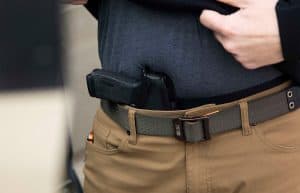
Carrying a firearm while hunting requires a holster that balances accessibility and security (check your state laws to ensure carrying a handgun while hunting is legal in your state and under what circumstances you may use it). A reliable holster ensures that your firearm stays secure and ready when needed. Look for holsters designed to fit snugly and remain stable during long hikes or strenuous activity.
Tips for Long Sits
Reducing Fatigue with Proper Setup
After spending hours in a tree stand or covering miles of rugged terrain can take a toll on your body. Reduce fatigue with these tips:
- Holster Placement: Position your holster where it doesn’t press uncomfortably into your side or leg during long sits. Sticky Holsters’ clipless design allows you to easily adjust the position for comfort at any time.
- Lightweight Gear: Minimize pack weight and opt for compact holsters to reduce fatigue during long treks.
- For Non-Sticky Holsters: Use padded belts or vests to distribute weight evenly and prevent hotspots from forming under uncomfortable holsters.
Maintaining comfort during extended periods will help you stay focused and prepared to take the shot when game presents itself.
Enhance Your Hunting Setup with the Sticky Stock Pad Riser and Modular Rifle Sling
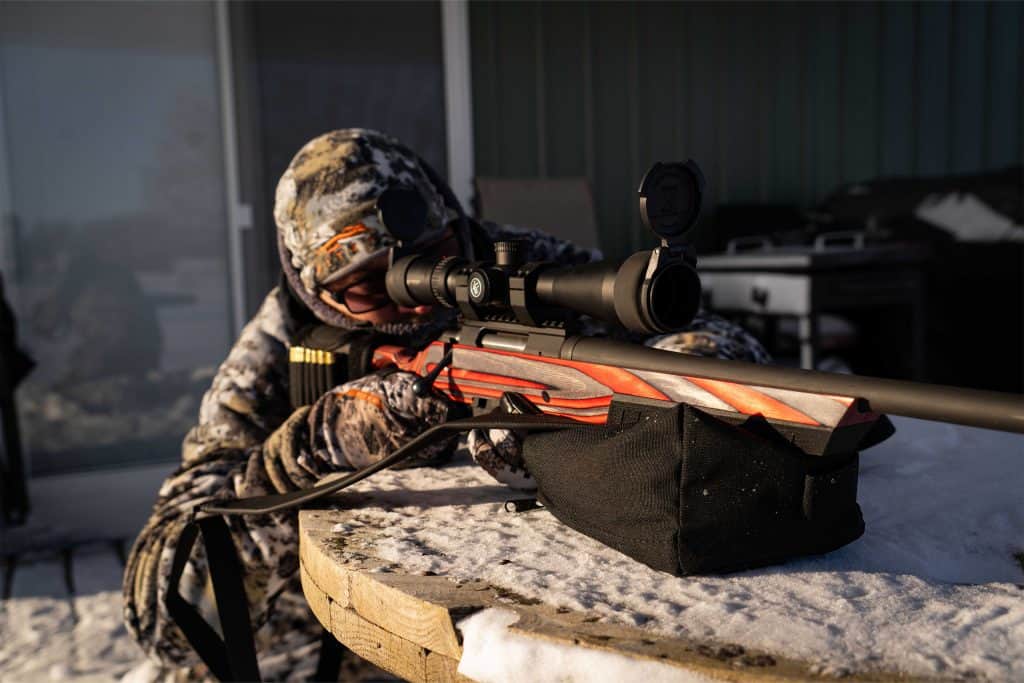
Late-season hunts demand stability, precision, and adaptable gear that works with your shooting style. Adding the Sticky Stock Pad Riser (SPR) and the Sticky Modular Rifle Sling to your hunting setup ensures comfort, control, and modular efficiency, especially when navigating unpredictable terrain or handling multiple firearms.
Sticky Stock Pad Riser (SPR)
The Sticky Stock Pad Riser enhances comfort and accuracy for bolt/lever-action rifles and semi-auto or pump shotguns.
Key Features:
- Non-Slip Design: Made with Sticky material, the SPR remains securely in place, providing a reliable cheek weld with no shifting—crucial when taking precise shots in challenging conditions.
- Ambidextrous Fit: Designed for both right- and left-handed shooters.
- Modular Functionality: Attach an included ammo holder or D.O.P.E. card holder for quick access to essential items, or add a morale patch for a personal touch.
- Versatile Compatibility: Fits most hunting rifles and shotguns for all your late-season needs.
With the SPR, you’ll enjoy improved shooting comfort and consistency.
Sticky Modular Rifle Sling: One Sling, All Your Guns
Complementing the SPR, the Sticky Modular Rifle Sling (MRS) delivers versatility and reliability when managing multiple firearms during late-season hunts. No more tangled slings or equipment struggles—the MRS is adapted to each of your long guns easily and quickly.
Key Features:
- Modular Design: The MRS uses three dongle options (QD, Sling Stud, or Strap Dongle) that stay mounted to your firearms. Its quick connect/detach clips make switching between guns seamless. (Dongles sold separately.)
- One Sling Fits All: Compatible with most Modern Sporting Rifles, Bolt/Lever-Action Rifles, and Pump/Semi-Auto Shotguns, making it an excellent all-in-one solution for hunters managing multiple firearms.
- Non-Slip Performance: Made from proprietary Sticky material, the sling stays securely on your shoulder without shifting or slipping, even during long treks.
- Rapid Adjustability: A built-in rapid adjustment point allows you to quickly adapt the sling length for changing conditions or shooting stances.
Whether you’re moving through dense woods, climbing steep ridges, or transitioning between firearms, the Sticky Modular Rifle Sling provides unmatched versatility and stability. Combined with the Sticky Stock Pad Riser, you’ll maintain comfort, accuracy, and confidence as you line up that perfect late-season shot.
Fine-Tuning Your Late-Season Setup
Learning Through Experience and Adaptation
Every hunt is a learning experience. Your gear, including your holster, should evolve based on your preferences and lessons learned from the field. Test different holster positions and carry methods during practice sessions to determine what works best for your hunting style. Pay attention to what causes discomfort or slows your draw and make adjustments as needed.
Final Thoughts on Preparing for a Successful Hunt
A successful late-season hunt starts with preparation. By carefully selecting the right gear and holster for your specific needs, you’ll enhance both your comfort and effectiveness in the field. Sticky Holsters provide the versatility and reliability required for the demands of hunting, from long sits in cold weather to rugged backcountry expeditions.
Ultimately, the key to a successful hunt is finding a setup that works for you and refining it over time. Stay adaptable, prioritize safety, and enjoy the unique challenges and rewards of late-season hunting.
Take your hunting setup to the next level. Explore the full range of Sticky Holsters and find the perfect fit for your late-season hunts. Shop Now.