
Why Finding the Right Setup Matters
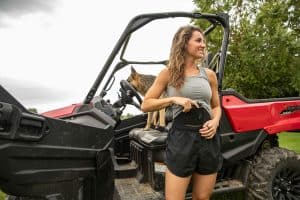
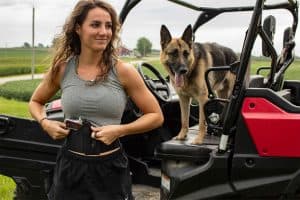
Concealed carry is a personal and practical choice, especially for women seeking to enhance their safety and take control of their personal defense. However, finding the right concealed carry setup goes beyond just choosing a firearm. It involves selecting the appropriate carry position, holster, and even clothing that work together to ensure both comfort and accessibility. Women have unique considerations: different body shapes, clothing styles, and daily activities, which can make the process of finding the right setup more challenging and the right setup feel more rewarding.
Having a comfortable and effective concealed carry setup means that you’re more likely to carry consistently, which is essential for being prepared in a self-defense situation. An ill-fitting holster that slips or unsuitable carry position can cause discomfort, printing (showing a visible outline of your gun to the world), or even safety issues. That’s why it’s important to take the time to find a setup that works well with your lifestyle, body type, and wardrobe. A setup that doesn’t take even one of those into account may spend time gathering dust at home because it is inconvenient or uncomfortable to wear.
Exploring Different Carry Positions for Women
Popular Carry Positions: Pros and Cons
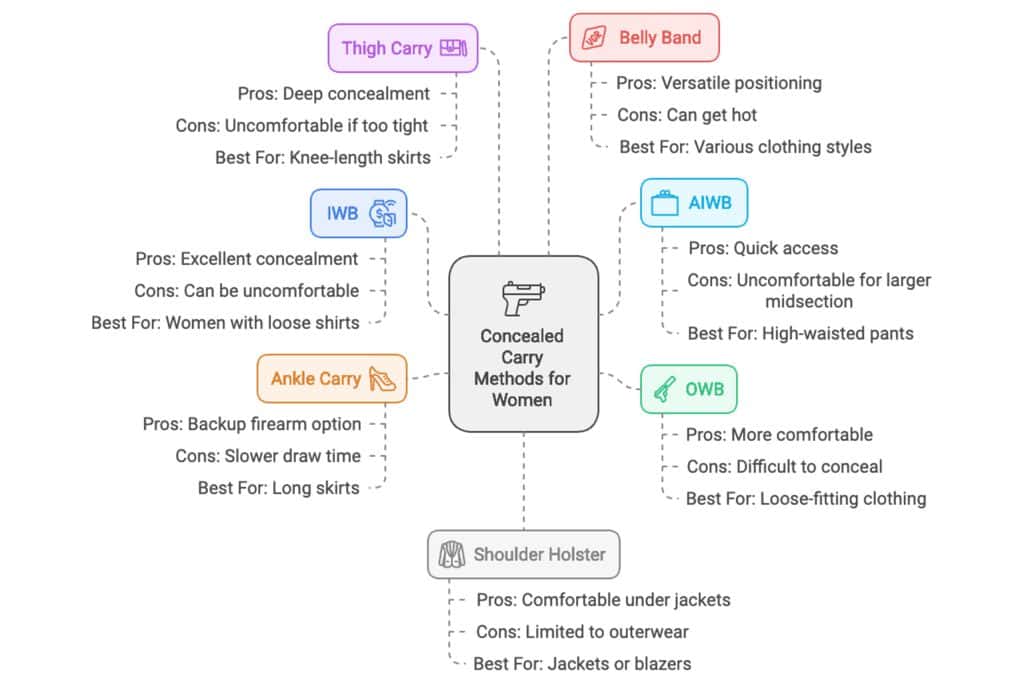
When it comes to concealed carry, there are several popular positions, each with its own advantages and drawbacks. Understanding the pros and cons can help you make an informed decision about which position may work best for you. This is really just a starting point: it may take experimenting with various setups to find a method that works for every situation. You also may need several different setups to carry well in different clothes and during different activities.
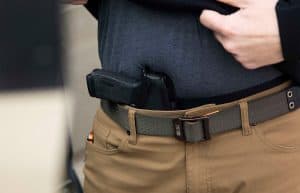
Inside the Waistband (IWB)
- Pros: Offers excellent concealment and is one of the most popular positions for both men and women. The firearm sits inside the waistband, making it easier to conceal under various clothing options.
- Cons: Can be uncomfortable, especially if you have tight clothing or sit for long periods. For holsters other than Sticky Holsters, this method requires a sturdy belt to keep the holster in place.
- Best For: Women who wear pants or skirts with belts, and have a relatively loose shirt or jacket long enough to cover the gun when bending over.
Appendix Inside the Waistband (AIWB)
- Pros: Provides quick access to the firearm and can be more comfortable for some women. Hard bone against hard metal is not a recipe for comfort, so having the gun in a squishier area around the abdomen can be a plus. It’s easier to reach and draw from a seated position than IWB.
- Cons: Can be uncomfortable for those with a larger midsection or while sitting for extended periods. May cause printing if the holster or shirt isn’t just right.
- Best For: Women who wear high-waisted pants or skirts and prefer the firearm positioned at the front for faster draw.
Outside the Waistband (OWB)
- Pros: Typically more comfortable than IWB because the firearm sits outside the clothing. Great for colder weather when layering with jackets, and around your house or property where concealment may not be needed.
- Cons: More difficult to conceal without bulky outerwear. May require looser clothing for better concealment.
- Best For: Women who wear loose-fitting clothing or layers, such as jackets or coats, for better concealment.
Ankle Carry
- Pros: Provides an option when other carry positions aren’t feasible or practical, such as when wearing a dress that precludes other options. Also, it’s particularly suitable for carrying a backup firearm.
- Cons: Typically, this method has a slower draw time than AIWB, but that assumes you are wearing something that lends itself to AIWB. It requires bending down to access the firearm, which can be challenging in a self-defense situation. Bending may expose you to physical assault and it also nails you to the spot while you do it, so you may need to seek cover (if it’s very close) and then draw and return fire as necessary. Best suited for smaller guns.
- Best For: Women who wear long skirts and dresses.
Thigh Carry
- Pros: A good option for women who frequently wear skirts or dresses. The holster wraps around the thigh, providing deep concealment.
- Cons: Can be uncomfortable if the holster is too tight. Typically this method is limited to smaller firearms due to space and comfort.
- Best For: Women who prefer off-the-belt carry and often wear knee-length or longer skirts.
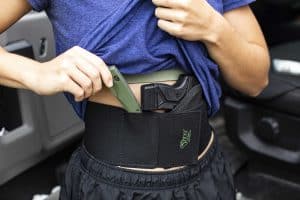
Belly Band
- Pros: Versatile, as it allows you to position the firearm anywhere around the waist. Works well with various clothing styles.
- Cons: Can get hot and sweaty, especially in warmer weather. Will likely require regular adjustments during vigorous physical activity or sweaty sliding back and forth in order to maintain comfort and proper positioning.
- Best For: Women who need a versatile option for different clothing styles.
Shoulder Holster
- Pros: Allows for carry under jackets or blazers and keeps the firearm away from the waistband. Comfortable for women who prefer not to carry on the waist.
- Cons: This is a fairly limited method, usually only concealable with jackets or other outerwear.
- Best For: Women who often wear jackets, blazers, or cardigans.
Matching Carry Positions to Your Body Type and Wardrobe
Not every carry position will work for all body types or clothing styles. It’s important to find the position that best complements your natural shape and wardrobe preferences.
Body Shape: Slim
IWB or AIWB may work well because these positions provide close concealment against the body. Looser tops with prints can help reduce printing.
Body Shape: Curvy
A belly band or OWB may be more comfortable, as these options distribute weight more evenly and may avoid pressure points. Looser or layered clothing can help with concealment.
Wardrobe: Dresses and Skirts
Thigh holsters, ankle carry, or a belly band are good options when wearing dresses or skirts.
Wardrobe: High-Waisted Clothing
AIWB can be particularly comfortable for those who wear high-waisted pants or skirts, as it provides a natural covering and extra stability for your gun.
Wardrobe: Active or Casual Wear
A belly band works well with any pants without belt loops, providing a secure carry solution without the need for a belt.
By experimenting with different carry positions and considering how they align with your body type and typical wardrobe, you can find a concealed carry method that fits your lifestyle while keeping you prepared and comfortable.
How to Dress for Different Concealed Carry Positions
Choosing Clothing That Works With Your Preferred Carry Position
When it comes to dressing for concealed carry, you may decide to work within your existing wardrobe or to shop for new clothing that comfortably accommodates your firearm and holster while maintaining a discreet appearance. Here’s how to dress for various carry positions:
Inside the Waistband (IWB)
Opt for pants or skirts with a slightly larger waistband to accommodate the added bulk of the firearm and holster. High-rise or mid-rise styles can help keep the firearm closer to your body and may help to reduce printing. Shirts or tops should be loose enough to drape over the holster without clinging.
Appendix Inside the Waistband (AIWB)
High-waisted pants or skirts work well for this position as they help hold the holster in place and keep it concealed. Look for flowy or patterned tops that can hide the outline of the firearm, as these designs help to break up any printing. A long cardigan or jacket can also aid in concealing the firearm while still allowing for a quick draw.
Outside the Waistband (OWB)
Layering is your friend with OWB carry. Opt for jackets, vests, or longer sweaters that provide coverage over the firearm. Looser-fitting tops help maintain concealment, while a belt can add support for the holster. For winter months, heavier outerwear like coats can completely conceal the firearm.
Ankle Carry
Skirts, dresses, and even pants with a slightly wider leg opening work best to conceal an ankle holster. Ensure that your skirt, dress, or pant leg is long enough to cover the firearm completely, even when seated. Boot-cut or flared styles can help keep the firearm out of sight.
Thigh Carry
When wearing skirts or dresses, consider the length and fit. Knee-length or longer skirts are best for maintaining concealment. The fabric should be loose enough to allow natural movement without revealing the firearm. A-line or flared skirts provide more room and help reduce the chance of printing.
Belly Band
This option works well with casual or athletic wear like leggings, yoga pants, or gym shorts. Shirts should be long enough to cover the band, and slightly looser styles will help avoid drawing attention to the area. If wearing a dress, choose a flowy or empire-waist style to maintain concealment.
Shoulder Holster
Outer layers like blazers, cardigans, or jackets help conceal the bulk of the holster. Shoulder holsters are ideal for colder areas and seasons where layering is common.
What to Avoid: Clothing That Makes Concealment Difficult
Some clothing choices can make concealed carry more challenging by causing printing or making it hard to access your firearm. Here’s what to avoid:
- Tight or Form-Fitting Clothing: Clothes that leave nothing to the imagination can make it difficult or impossible to conceal a firearm effectively, revealing the outline of the holster in stark definition. More traditional, modest clothing is the ticket to effective concealment here.
- Thin, Clingy Fabrics: Lightweight (and often translucent) fabrics like silk or thin cotton can cling to the firearm and increase the likelihood of printing or showing the black of the gun through your clothing. Choose thicker fabrics or fabrics with texture to help mask the outline.
- Short or Cropped Tops: If your top is too short, it will ride up when you lift your arms or bend over and expose the holster. Stick to longer tops that provide sufficient coverage regardless of bodily position.
- Low-Waisted Pants: These can make it difficult to position an IWB or AIWB holster securely. A belly band would be a better option here.
- High-Slit Skirts or Dresses: When carrying on the thigh or ankle, high slits may expose the firearm. Stick to styles without slits.
Holster Selection: Finding the Right Fit
Types of Holsters for Different Carry Positions
The type of holster you choose can significantly impact comfort, accessibility, and concealment. Here’s an overview of common holster types for various carry positions:
IWB Holsters
Designed to be worn inside the waistband, these holsters offer excellent concealment and versatility. They come in various materials, such as Kydex, leather, hybrids (a combination of leather backing and Kydex shell), or even foam and proprietary materials. IWB holsters are great for both appendix and strong-side carry, offering a secure fit while allowing for quick access.
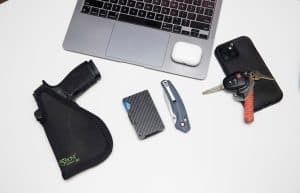
Sticky Holsters provide a unique take on IWB carry by using a non-slip material that adheres to the waistband, skin, or even clothing without the need for clips or straps; it only needs to be pressed against your body to stay put. This allows for flexible positioning, making it easy to adjust the holster for comfort or to accommodate different carry positions.
OWB Holsters
Worn outside the waistband, these holsters are often more comfortable than IWB options but usually require layering for concealment. They are often used for range practice, winter carry, or by those who prefer an easier draw.
Ankle Holsters
Ankle holsters wrap around the lower leg and are ideal for smaller firearms, making them a good option for backup carry, deep concealment, or when other positions aren’t feasible. Sticky Holsters’ AnkleBiter is one example, offering a secure fit without requiring modifications to your pants or boots.
Thigh Holsters
Thigh holsters are specifically designed for wear under skirts or dresses, providing a concealed carry option for women who prefer off-the-belt carry. These holsters are best for smaller firearms to prevent excess weight from pulling the holster down. For a more tailored fit, the Guard-Her-Belt by Sticky Holsters offers a comfortable and secure thigh carry solution, designed with women in mind.
Belly Bands
Belly bands are versatile elastic bands that wrap around the waist or lower torso and often include pockets for essentials, such as a firearm, spare magazine, or even a chapstick. This adaptable style works well with various carry positions and clothing types. Sticky Holsters’ Belly Band offers a flexible, comfortable option suitable for both athletic wear and casual clothing.
Shoulder Holsters
Shoulder holsters distribute the weight of the firearm across the shoulders, making them an ideal choice for those who frequently wear jackets or blazers. This position provides easy access to the firearm, though it may require practice for an efficient draw. Shoulder holsters work especially well in colder weather when layering is common.
Pocket Holsters
Pocket holsters allow for discreet carry within a pocket, keeping the firearm upright and reducing printing. This option is best suited for small, lightweight handguns and works well as a secondary carry method. Sticky Holsters’ unique non-slip design also makes them compatible with pocket carry, providing a secure, accessible solution for those who prefer this position.
Tips for Choosing a Comfortable and Secure Holster
Finding the right holster is about more than just comfort, although that is a top consideration. But it also needs to be secure and reliable. Here are some key considerations when selecting a holster:
- Retention: The holster should hold the firearm securely in place while allowing for a smooth draw. Adjustable retention levels can be beneficial for Kydex holsters, though unnecessary for Sticky Holsters.
- Material: The choice of material affects comfort and concealment. Kydex provides a rigid structure and may also provide options for Level 2 or 3 retention, while Sticky Holsters and leather can be more comfortable against the body. Hybrid options try offer a balance between comfort and security, usually with unspectaular results.
- Belt Compatibility: If using an IWB or OWB holster, get a sturdy gun belt. The belt should support the weight of the firearm without sagging. Regular belts are often not up to the task of carrying a gun.
- Ease of Draw: The holster should allow for a quick and natural draw. Practice drawing from different positions with different holsters to see which holster feels most accessible and secure.
- Adjustability: Look for holsters with adjustable cant (angle), ride height, and retention to customize the fit. This can make a significant difference in comfort and ease of carry.
- Body Fit: The holster should conform to your body shape. Holsters like Sticky Holsters provide padding that reduces pressure points and increases comfort.
- Clothing Compatibility: Consider how the holster will work with your typical wardrobe.
Selecting a holster that meets these criteria ensures you carry comfortably and securely, increasing the likelihood of carrying regularly and safely. Experimenting with different holster types and adjusting them for your needs can help you find the perfect fit for your concealed carry lifestyle.
Getting a Permit for Reciprocity: What You Need to Know
Understanding Reciprocity Laws for Cross-State Travel
Reciprocity laws allow concealed carry permit holders to legally carry their firearms in other states that recognize their permit. However, each state has its own rules about which out-of-state permits it honors, and the level of reciprocity varies. It is essential to understand these laws if you plan to travel across state lines with a firearm.
- Full Reciprocity: Some states honor permits from all other states. If you hold a permit from any state, you can legally carry in these states.
- Partial Reciprocity: Other states only recognize permits from certain states, based on factors like permit requirements, training standards, or residency.
- No Reciprocity: A few states do not recognize any out-of-state permits. In these cases, even if you hold a permit, you will not be legally allowed to carry in that state.
Before traveling, always check the most up-to-date reciprocity maps or use an app that tracks reciprocity agreements to ensure compliance with state laws. Some states may have specific restrictions, such as requiring your firearm to be unloaded and locked in a vehicle when crossing state lines, or even registering your firearm in the state or district, such as Illinois and Washington, D.C.
Steps to Obtain a Concealed Carry Permit
If you plan to carry a firearm for self-defense, obtaining a concealed carry permit is an important step to expand where you can legally carry. Here are the general steps:
- Research State Requirements: Each state has different requirements for obtaining a permit. Check your state’s laws for minimum age, training requirements, and application procedures.
- Complete a Firearm Safety Course: Many states require proof of firearm training or safety courses. Look for a certified course that covers state-specific laws, safe firearm handling, and marksmanship.
- Fill Out the Application: Submit an application to your local sheriff’s office, police department, or state permitting agency as needed. This will typically include providing personal identification, fingerprints, and a passport-style photo.
- Undergo a Background Check: A criminal background check is usually part of the permitting process. You may need to disclose any legal issues, including restraining orders or prior arrests.
- Pay the Fees: There are usually application and processing fees associated with obtaining a permit. These fees vary by state.
- Wait for Approval: Processing times differ, ranging from a few weeks to several months. Once approved, you will receive your permit, which may need to be renewed periodically.
Choosing the Right Firearm for Concealed Carry
Factors to Consider: Size, Weight, and Recoil
When selecting a firearm for concealed carry, it’s important to consider factors that affect comfort, concealability, and shooting effectiveness:
- Size: The size of the firearm is one of the most important factors for concealed carry. Smaller, compact pistols or revolvers are easier to conceal, especially for women who may wear fitted or lighter clothing. However, smaller firearms may have reduced magazine capacity.
- Weight: A smaller and therefore lighter firearm is more comfortable for daily carry, but it will result in more felt recoil, causing a significantly more punishing recoil which will make training with the firearm painful. Conversely, a heavier firearm can help manage recoil, making it easier to shoot accurately and comfortably but possibly more cumbersome to carry.
- Recoil: Recoil affects control and follow-up shot accuracy. Consider selecting a firearm with manageable recoil based on your strength and experience level. Choosing a smaller caliber, such as 9mm, can help reduce recoil while still providing effective self-defense capabilities. The FBI chose 9mm as their caliber due to follow-up shot accuracy.
- Grip Size: Make sure the grip fits comfortably in your hand. You should be able to reach the trigger properly without straining and maintain a firm hold for recoil control.
- Magazine Capacity: Consider how many rounds the firearm holds and whether you’re comfortable carrying extra magazines. Some states have restrictions on magazine capacity.
Testing Different Firearms at the Range
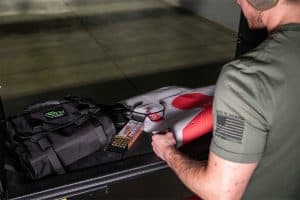
Before making a purchase, visit a shooting range that offers firearm rentals to try out different models. Testing various options will help you find the one that fits best and feels comfortable. Here’s what to do when testing firearms:
- Try Different Calibers: Test several calibers to find one that balances recoil and stopping power. Common options include .380 ACP, 9mm, and .38 Special. The cost of ammunition is also a factor, since those costs can add up quickly when practicing, and expensive options will probably cause you to limit your training.
- Practice Different Shooting Techniques: See how the firearm performs in different shooting positions (one-handed, non-dominant-handed) to get a realistic feel for its handling.
- Test Various Grip Styles: Experiment with different grips, such as full-size or compact, to see which feels the most secure and comfortable.
- Assess the Trigger Pull: Make sure the trigger pull is not too heavy or too light, as this can affect shooting accuracy. Unusually heavy trigger pulls on small guns are the worst of both worlds.
- Evaluate Concealability: Concealed means concealed: if it can’t be carried discreetly, look elsewhere. While at the range, try holstering and drawing the firearm to assess how well it conceals and how accessible it is.
Practicing Safe Drawing Techniques
How to Practice Drawing From Different Carry Positions
Practicing drawing techniques is crucial for carrying safely and effectively. Each carry position may require a different draw technique, so it’s important to train for the specific method you use. Here’s how to practice drawing from various carry positions:
- IWB and AIWB Draw:
- Start with your hand resting near the holster, using your support hand to clear any clothing.
- Grip the firearm securely, ensuring a proper hold before lifting it out of the holster.
- Draw the firearm clear of the holster, rotate the muzzle toward the target, and push up and forward to extend into a shooting position.
- OWB Draw:
- Clear the cover garment with your support hand to expose the holster.
- Grip the firearm and draw up to safely clear the holster.
- Rotate the muzzle forward toward the target.
- Bring the gun up and extend your arms to bring the firearm to the shooting position.
- Ankle Draw:
- Bend the knees and reach down to access the holster.
- Pull up the pant leg with your support hand and draw the firearm.
- Bring the muzzle of the gun up toward the target as you:
- Straighten up into a standing position (or remain kneeling, since should practice that also), bringing your support hand onto the firearm and pushing out into correct shooting posture.
- Thigh and Belly Band Draw:
- Use your support hand to lift the skirt or shirt to expose the gun’s grip.
- Draw the firearm smoothly, ensuring it clears any fabric before rotating the muzzle toward the target.
- Bring your support hand onto the firearm and push out into correct shooting posture.
Tips for Improving Speed and Accuracy
Improving your speed and accuracy in drawing from concealment requires consistent practice and proper technique:
- Dry Fire Practice: Use an unloaded firearm to practice drawing and aiming in front of a mirror. Focus on achieving a smooth and efficient draw without rushing.
- Start Slow, Then Speed Up: Begin practicing slowly to perfect your technique. Gradually increase the speed while maintaining accuracy.
- Incorporate Movement: Once you’re comfortable with the basic draw, practice drawing while moving to simulate real-life scenarios where you may need to reposition for safety.
- Use a Shot Timer: A shot timer can help you measure your draw speed and work toward improving your reaction time.
- Train With Different Garments: Practice drawing while wearing various types of clothing to prepare for different situations. This will help you identify any potential issues with accessing the firearm.
- Repetition: Consistent repetition will build muscle memory, making your draw more fluid and instinctive over time.
Mastering safe drawing techniques, choosing the right firearm, and understanding reciprocity laws are essential for effective concealed carry. Regular training will help ensure you are prepared to defend yourself safely and responsibly.
Overcoming Common Concealed Carry Challenges
Dealing With Printing or Discomfort
One of the most common challenges of concealed carry is “printing,” where the outline of the firearm becomes visible through clothing. Discomfort can also be an issue, especially when carrying for long periods. And if it’s too uncomfortable, most of us will carry less than we should. Here are some strategies to address these problems many of us face in our day-to-day carry:
- Choose the Right Holster: A quality holster makes a significant difference in both comfort and concealment. Look for holsters that contour to your body shape, provide adjustable cant (angle), and allow for ride height adjustments to customize the carry position. This reduces printing and increases comfort for everyday carry. Sticky Holsters were designed and made with versatility in mind, using a unique non-slip material that adjusts to the gun and your body without the need for clips or bulky hardware. Their versatile, minimalist design makes Sticky Holsters an excellent option for those seeking both comfort and discretion.
- Adjust Carry Position: If you notice printing or experience discomfort, try adjusting the carry position slightly. For example, moving an inside-the-waistband (IWB) holster from the 3 o’clock to the 4 o’clock position (just behind the hip) can make it less noticeable and more comfortable. Experiment with different positions to find what works best.
- Opt for a Smaller Firearm: If printing is a persistent issue, consider carrying a smaller firearm that is easier to conceal. Subcompact or compact pistols are often more suitable for concealed carry, especially for individuals with smaller frames.
- Layer Clothing Strategically: Layering with a light jacket, vest, or loose cardigan can help cover any printing and add a level of comfort by providing a buffer between the firearm and your skin.
- Wear Patterns or Textured Fabrics: Solid colors can make printing more noticeable, whereas patterns, textured fabrics, or dark colors help break up the firearm’s outline.
- Use a Gun Belt: A sturdy gun belt can better support and distribute the weight of the firearm and holster, reducing discomfort, and keeping your pants from sagging and your gun from printing. It keeps the holster in place, which can also help prevent printing. Though this is less needed for Sticky Holsters, generally, this is an absolute necessity.
Solutions for Specific Wardrobe Limitations
Certain clothing styles can make concealed carry challenging. Here are solutions for specific wardrobe limitations:
- Tight or Form-Fitting Clothing: The primary solution here is, don’t wear clothing that is too tight. If your clothing leaves nothing to the imagination, your gun will also be on display everywhere you go. If you still wish to wear something more on the form-fitting side, consider carrying in an appendix (AIWB) position with a small, slim firearm (remember it will be harder to practice with as well), or wear a jacket over your top to help conceal the gun’s outline. Another option is off-body carry, such as a concealed carry purse, although this has its own significant drawbacks (e.g., slower access and less secure, since anyone can grab your bag).
- Dresses or Skirts: Thigh holsters or ankle carry are ideal options for women who wear dresses or skirts. Ensure the skirt or dress is loose enough to cover the firearm completely and avoid high slits that could expose the holster. A belly band worn higher can also work well under certain dresses.
- Low-Waisted Pants: Carrying in a waistband holster can be difficult with low-rise pants. In this case, consider using an ankle holster or a belly band that allows for positioning above the waistband. Pocket carry with a pocket holster is another viable alternative for carrying a small firearm, though not ideal for a quick draw. And let’s be honest: who wants to have less pocket space in their life?
- Business Attire or Professional Dress: Concealed carry in professional settings can be discreet with the right setup. Shoulder holsters under jackets, ankle holsters, or belly bands worn higher on the torso can work well with suits or dresses. Structured blazers and layers can help conceal the firearm effectively.
Adapting your carry method to fit your wardrobe helps ensure comfort and concealment while accommodating different styles of dress. Finding a solution that works for you may take some experimentation, but there are versatile options for nearly every clothing situation.
Conclusion: What Carry Style is Best for You?
Finding What Works for You Through Trial and Error
Concealed carry is a personal journey, and finding the right setup requires patience and experimentation. There is no one-size-fits-all approach, as factors like body shape, clothing preferences, even the clothes you are wearing on a particular day, and activities you expect to participate in play a role in determining the most suitable carry position, firearm, and holster. It’s important to try different methods, adjust as needed, and be open to changing your setup until you find what works best for you.
Start with a position and holster that seems most suitable (or versatile), and make changes based on your experiences. If discomfort or printing occurs, adjust the holster’s angle, try a different carry position, or switch to a different type of holster or gun. Don’t be discouraged if your initial choices don’t work out; trial and error is a natural part of finding the right concealed carry solution.
Encouragement to Stay Committed to Training and Safety
Carrying a concealed firearm is a responsibility that requires a commitment to safety, training, and continuous improvement. Regular practice helps you become more confident and competent with your firearm. This includes not only shooting but also practicing your draw, reholstering, and situational awareness. Training under different conditions and with various clothing styles will help you stay prepared for real-life scenarios.
Staying informed about local laws and reciprocity agreements ensures that you remain compliant when traveling or encountering changes in legislation. Knowledge and training empower you to be prepared and carry safely and effectively, giving you peace of mind.
Discover the Confidence of Sticky Holsters
As you work to find the concealed carry solution that best fits your lifestyle, having a reliable, versatile, and comfortable holster is key. Sticky Holsters offers a versatile range of holsters designed to adapt, providing exceptional comfort, secure retention, and a low-profile fit for any carry style. Whether you’re just starting or refining your setup, Sticky Holsters’ unique clipless design and non-slip material make it easy to use.
Equip yourself with a holster that complements your concealed carry journey. Find the perfect holster for your needs—your journey to secure, comfortable carry starts here. Stay safe, stay committed, and carry with confidence.