




Introduction
Proper maintenance of your firearm and holster is crucial not only for safety but also for ensuring the longevity and reliable performance of your equipment. Whether you carry daily or use your firearm for recreational shooting, regular cleaning and upkeep are essential practices. This guide will cover the best practices for maintaining your firearm and holster, including cleaning techniques, storage tips, and inspection routines. By following these recommendations, you can maximize the lifespan of your gear and maintain peak functionality.
Why Maintenance Matters for Your Firearm and Holster
Regular maintenance of your firearm and holster is essential for safety, reliability, and longevity. A well-maintained firearm operates more smoothly, reducing the risk of malfunctions, which is a life-or-death consideration when in a self-defense scenario. Dirt, debris, and moisture can accumulate in your firearm’s barrel, action, and magazine, potentially leading to misfires or reduced accuracy. Similarly, neglecting your holster can lead to wear and degradation, compromising its ability to securely retain your firearm or protect it from environmental factors.
By committing to a routine maintenance schedule, you not only prolong the life of your equipment but also ensure that your firearm and holster perform as expected when you need them the most.
Cleaning Your Firearm: Step-by-Step Guide
Proper firearm cleaning ensures all components are free from dirt, carbon buildup, and other contaminants, which is essential for safety, accuracy, and longevity. Here’s a step-by-step guide to effectively clean your firearm:
- Ensure Safety: Always start by making sure the firearm is completely unloaded. Double-check the chamber, magazine, and barrel to confirm there is no ammunition present. Safety is always a top priority when handling guns, and cleaning and maintenance are no exception.
- Disassemble the Firearm: Follow the firearm’s manual for proper disassembly. This typically involves removing the slide, barrel, and magazine. Some firearms may require further disassembly to access all parts, so be sure to understand the process specific to your model.
- Apply Cleaning Solvent: Use a bore brush with solvent to scrub the inside of the barrel, focusing on removing carbon deposits and residue from gunpowder. Then, switch to running solvent-soaked cleaning patches through the barrel. Continue this process until the patches come out clean, indicating that the barrel is free from fouling.
- Clean the Action and Other Components: Apply solvent to a brush or cloth to clean other parts of the firearm, such as the slide, frame, and action components. Pay attention to visible buildup in these areas, which can compromise functionality.
- Wipe Down the Firearm: Use a dry cloth to wipe off excess solvent and moisture from all cleaned parts. This ensures that no cleaning agent remains that could attract dirt or interfere with operation.
- Lubricate Sparingly: Apply lubrication to the firearm’s moving parts, focusing on areas where metal contacts metal, such as slide rails and pivots. Avoid over-lubricating, as excess oil can attract debris and impede performance.
- Reassemble and Perform a Function Check: Once cleaned and lubricated, reassemble the firearm according to the manual. Conduct a basic function check, such as pulling back the slide and checking the safety mechanisms, to ensure everything operates smoothly.
Essential Tools for Proper Firearm Cleaning
Having the right tools on hand simplifies firearm maintenance and ensures thorough cleaning. Here are some essential items to keep in your cleaning kit:
- Cleaning Solvent: This is crucial for breaking down dirt, residue, and carbon buildup within the firearm. Avoid using ammonia-based solvents, as they can cause long-term damage to the barrel by eroding the steel.
- Lubricant/Gun Oil: Use a quality lubricant to protect moving parts from wear and prevent rust. Applying a thin layer after cleaning helps maintain smooth operation.
- Bore Brush and Cleaning Rod: Select bore brushes that match your firearm’s caliber and are made from non-abrasive materials like brass or bronze to protect the rifling. A sturdy, one-piece cleaning rod is ideal for scrubbing the barrel.
- Cleaning Patches and Patch Holder: These help apply solvent and oil while also wiping away dirt. Patches should be used until they come out of the barrel clean.
- Microfiber Cloths: Use these for drying components and wiping down the firearm’s exterior to avoid moisture-related issues.
- Nylon Brushes and Cotton Swabs: These small tools help clean hard-to-reach areas and intricate parts, ensuring that every nook is free of dirt.
- Use Eye Protection and Gloves: Safety gear is essential when working with solvents and lubricants to protect your eyes and skin from harmful chemicals.
Lubrication: When and How to Apply It
Lubrication is a crucial step in firearm maintenance, as it keeps moving parts functioning smoothly and prevents metal components from wearing down. Here’s how and when to apply lubrication effectively:
- After Cleaning: Always lubricate your firearm after cleaning, especially if you’ve used solvent, which can strip away existing lubrication.
- Apply Sparingly: The right amount of lubrication means better performance. More lubrication doesn’t. Use just enough to create a thin protective layer on moving parts. Over-lubricating can attract dirt and debris, which may interfere with proper operation.
- Focus on Moving Parts: Apply lubrication to areas where metal surfaces slide against each other, such as the slide rails, barrel locking lugs, and the pivot points on the trigger and hammer.
- Avoid Excess Oil in the Barrel: While a lightly oiled patch can be run through the bore for protection, avoid leaving too much oil inside the barrel, as it can affect firing and accuracy.
- Regular Touch-Ups: If you carry your firearm regularly, occasional touch-ups with a light lubricant are recommended, as body heat and environmental conditions can cause the lubricant to dry out over time.
Proper lubrication ensures your firearm operates efficiently and is protected against corrosion and wear.
Inspecting Your Firearm for Wear and Tear
Regular inspection of your firearm is essential for detecting signs of wear and tear that could affect performance. A thorough check should be conducted during each cleaning session or after heavy use. Pay attention to the following areas:
- Barrel: Look for any signs of damage, pitting, or rust inside the barrel. Check for excessive wear at the muzzle and rifling, which could affect accuracy.
- Slide and Frame: Inspect for cracks, chips, or unusual wear patterns. Any visible deformation could indicate a problem that needs professional evaluation.
- Trigger and Hammer: Check the trigger mechanism for smooth operation. If it feels rough, gritty, or has changed in resistance, there could be underlying issues.
- Sights: Verify that the sights are secure and haven’t become loose.
- Magazine: Look for cracks, dents, or worn-out springs in the magazine. A faulty magazine can cause feeding issues or misfires.
- Moving Parts: Inspect the slide rails, recoil spring, and other moving components for wear. Any excessive play, grinding, or wobbling may indicate parts that need replacement.
Detecting wear early allows you to address any problems before they worsen, keeping your firearm in top condition and ensuring reliable operation when you need it.
Best Practices for Storing Your Firearm
Proper firearm storage is essential for safety, preventing unauthorized access, and protecting your weapon from environmental damage. Always store your firearm according to your state’s laws regarding firearm storage. A controlled environment is important to keep your gun in peak condition, so choose a cool, dry place to store the firearm, ideally with a dehumidifier or desiccant in the safe to minimize moisture and prevent rust.
Regularly inspect firearms in storage to detect any signs of rust or damage. Following these best practices ensures that your firearm remains in good condition and is ready for use when needed.
Cleaning and Maintaining Your Holster
Holsters also need regular inspections and upkeep as necessary, especially when using quality holster accessories, to ensure they function properly and continue to securely hold your weapon. Dirt, sweat, and oils can accumulate on the holster over time, so clean it periodically to keep it in optimal condition. Checking the holster for wear, such as cracked material, frayed edges, or loose stitching, allows you to address minor issues before they worsen. For leather holsters, maintaining the shape is important; using a holster form can help retain its contour if it starts to deform.
Avoid placing holsters near heat sources, as synthetic materials may warp, and leather can dry out or crack. Additionally, it’s wise to periodically test the holster’s retention to ensure the firearm remains secure. If you notice the holster’s grip on the firearm is too tight or too loose, make any necessary adjustments or consider replacing it.
How to Clean Different Holster Materials
Holsters come in various materials, each requiring specific cleaning methods. Here’s how to clean different types of holster materials:
- Leather Holsters:
- Wipe the surface with a slightly damp cloth to remove dirt and grime. Avoid soaking the leather, as excess moisture can cause it to lose shape or become stiff.
- Use a leather conditioner occasionally to keep the material supple and prevent cracking.
- Let the holster air dry naturally; do not use a heat source to speed up drying.
- Kydex and Other Plastics:
- Use a damp cloth with mild soap to clean the holster’s surface. Avoid abrasive cleaners that could scratch the material.
- Rinse off any soap residue and dry with a soft cloth.
- If the holster has adjustable retention screws, check and tighten them as needed.
- If the screws are rusty, replace them.
- Nylon or Fabric Holsters:
- Clean with a cloth and mild detergent. For deeper cleaning, hand wash in warm, soapy water.
- Rinse thoroughly and let the holster air dry. Do not machine wash or dry, as it can damage the fabric.
- Check for loose stitching or tears, and repair or replace the holster if needed.
- Sticky Holsters:
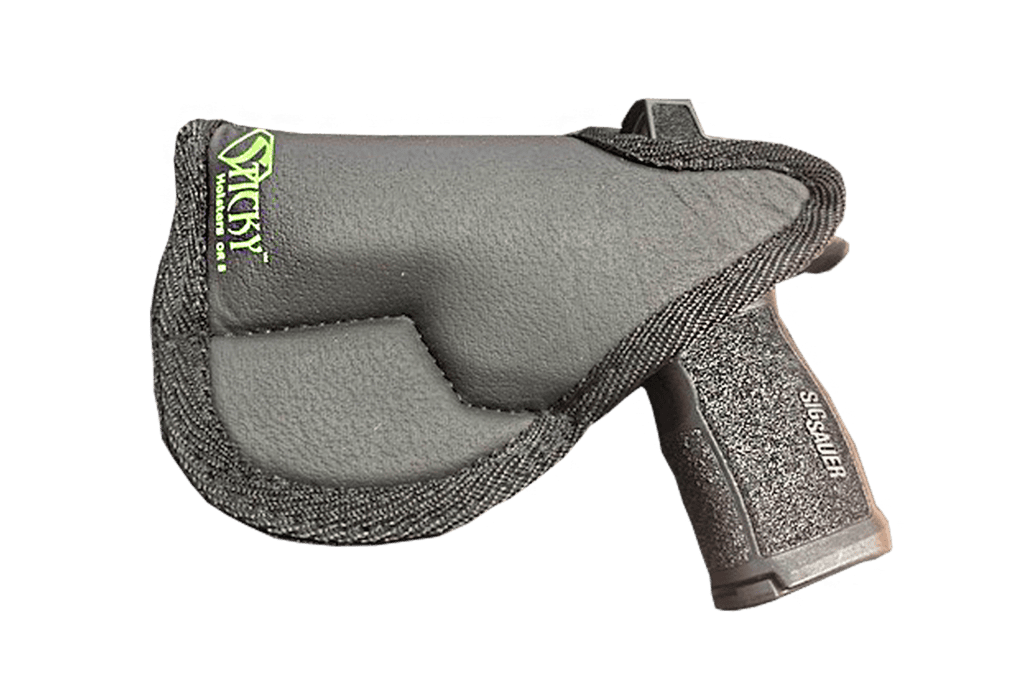
- Sticky Holsters use a unique non-slip material that requires occasional cleaning to maintain its grip.
- To clean, wipe the exterior with a damp cloth and a mild detergent, such as Murphy’s Oil Soap, to remove dirt, sweat, and oils that may reduce its gripping ability. Do not use harsh chemicals or abrasive cleaners, as they can damage the material.
- After cleaning, allow the holster to air dry overnight. Avoid using heat sources to dry the holster, as this can affect the texture and performance of the material.
- For storage, keep your Sticky Holster away from direct sunlight or extreme temperatures.
- Regularly check for signs of wear, such as thinning or loss of grip, and replace the holster if necessary to ensure a secure carry.
Tips for Maintaining Sticky Holsters’ Grip
Sticky Holsters are known for their non-slip material that keeps the holster in place. To maintain this grip, follow these tips:
- Clean the Surface Regularly: Wipe down the exterior of your Sticky Holster with a damp cloth and mild detergent (such as Murphy’s Oil Soap) to remove dirt, sweat, and oils that can reduce its grip.
- Avoid Harsh Chemicals: Do not use abrasive cleaners or harsh chemicals, as they can damage the material and diminish the non-slip properties.
- Air Dry Thoroughly: After cleaning, let the holster air dry overnight. Avoid using heat sources, as heat can affect the material’s texture and effectiveness.
- Store Properly: When not in use, keep your Sticky Holster in a cool, dry place, away from direct sunlight or extreme temperatures.
- Check for Wear Over Time: As with any holster, Sticky Holsters may show signs of wear over time. Regularly inspect the material for any thinning or damage, and replace the holster if the grip no longer holds as expected.
Checking Holster Fit and Retention Over Time
Holster fit and retention are crucial aspects of firearm safety and accessibility. Over time, the materials in any holster can wear out, potentially affecting how securely it holds your firearm. It’s important to regularly assess the holster’s fit by checking whether the firearm is held firmly in place and if it can be easily drawn without excessive force. A holster that becomes too loose can lead to the firearm slipping out, while one that becomes too tight can hinder a quick draw.
You should also test the retention periodically. For holsters with adjustable retention screws, make minor adjustments if you notice changes in the level of hold. With leather holsters, consider the fact that they may stretch over time and may need conditioning to maintain their shape and firmness. For Kydex or hybrid holsters, inspect for any warping or cracks that may impact retention. If your holster no longer provides the same level of security it once did, it may be time to replace it to ensure reliable firearm carry.
Proper Storage Solutions for Your Holster
When not in use, holsters should be stored in a way that protects them from damage and preserves their functionality. To maintain the integrity of the holster material, store it in a cool, dry place away from direct sunlight, which can cause fading, warping, or cracking over time. If the holster is made of leather, keep it away from areas of high humidity to prevent mold growth. Leather holsters should also be kept out of excessively dry environments, as this can cause the material to stiffen and crack.
Avoid stacking other heavy objects on top of your holster, which can cause it to deform or lose its shape, especially with soft materials like leather or fabric. When storing a Kydex or plastic holster, ensure it is placed in a way that prevents pressure on any particular area to avoid warping. If you have multiple holsters, consider using a dedicated storage organizer or rack to keep them separated and maintain their shape. Proper storage will help extend the life of your holster and ensure it remains ready for use.
Sticky Holsters are particularly easy to store due to their soft and flexible design. Unlike leather or Kydex, they won’t warp or lose shape when stored. Sticky Holsters can be stored flat or even rolled without concern, making them a convenient option for travel or storage in tight spaces. Just make sure to keep them in a dry place, away from extreme heat and out of direct sunlight.
Avoiding Common Mistakes in Firearm and Holster Maintenance
There are several common mistakes that firearm owners make when it comes to maintaining their firearms and holsters, which can affect performance and safety. One frequent error is using the wrong type of cleaner or lubricant. Some chemicals are too harsh and can damage certain materials, especially leather or synthetic fabrics. It’s important to choose cleaning products that are compatible with the specific material of your gun or holster.
Another mistake is neglecting to clean and inspect the firearm and holster regularly. Dirt, sweat, and residue can build up over time, leading to rust on the firearm or degradation of the holster material. Additionally, over-lubricating the firearm can attract dust and debris, potentially leading to malfunctions. Conversely, under-lubricating can cause metal components to wear more quickly. When it comes to the holster, be careful not to use excessive heat for drying or conditioning, as this can warp or damage most holster materials. Being mindful of these common errors can help you maintain your equipment effectively and avoid unnecessary repairs.
Establishing a Routine Maintenance Schedule
Setting up a regular maintenance schedule ensures that both your firearm and holster remain in optimal condition. For guns, a general rule of thumb is to clean and inspect them after each use. If you carry daily, consider a weekly check to ensure that dirt, lint, and other debris have not accumulated. This routine should include checking for proper lubrication and inspecting the firearm for any signs of wear.
For holsters, a monthly inspection is typically sufficient unless the holster is exposed to harsh environments, in which case more frequent checks may be necessary. This inspection should involve cleaning the holster, testing the retention, and looking for any signs of damage or excessive wear. Establishing a consistent schedule helps ensure that maintenance is not overlooked and that your equipment is always in top shape for safe and reliable use.
When to Seek Professional Help for Repairs
There are times when DIY maintenance may not be sufficient, and professional help is needed to ensure safety and functionality. If your firearm shows signs of significant wear, such as deep scratches, cracks, or rust that cannot be removed with regular cleaning, it is best to consult a gunsmith for repair or refurbishment. Mechanical issues, such as a malfunctioning trigger, safety, or firing pin, should typically also be addressed by a professional to avoid further damage or safety risks.
For holsters, if the material has become severely worn, cracked, or the retention mechanisms are damaged, it is time to replace the holster. In some cases, a professional leatherworker can refurbish leather holsters by reconditioning the material or repairing stitching. For Kydex holsters, cracks or significant warping are not worth trying to repair, and a replacement is likely the safest option. Knowing when to seek expert help ensures that you can rely on your equipment in critical moments.
Conclusion
Maintaining your firearm and holster is a vital aspect of responsible gun ownership. Regular cleaning, inspection, and proper storage will ensure your equipment is always ready for action when you need it. By taking these steps, you not only protect your investment but also enhance your safety and performance.
If you’re looking for a holster that provides versatile carry options, consider Sticky Holsters. Our innovative holsters are designed with low-maintenance and comfortable materials so carrying in your day-to-day life is not a chore. Find a Sticky Holster for your gun today!